
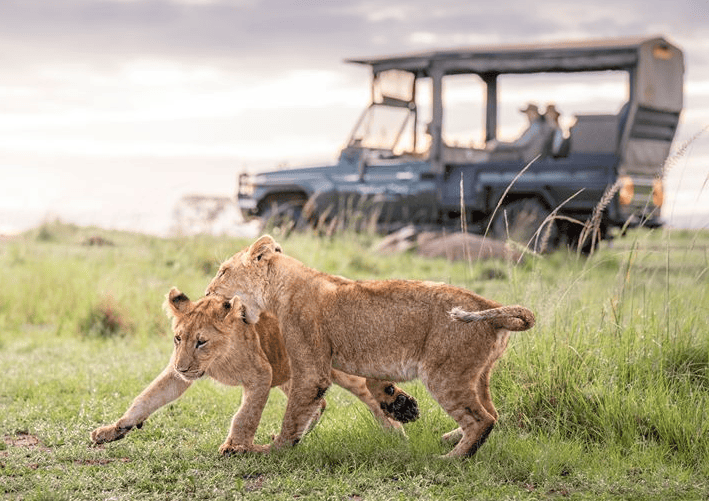
10 Things to Know Before Your First Safari in Kenya
Planning your first safari in Kenya? A safari is more than simply spotting the Big Five. It is about understanding wildlife behaviour, following the rhythm of the bush and allowing your guide to lead you to unexpected experiences. Here are 10 things to keep in mind:
- Wildlife Sightings Are Never Guaranteed
Animals move freely and do not follow a schedule. Guides use recent sightings, tracks and alarm calls to locate wildlife, but a search for a leopard may lead to elephants, hyenas or another memorable encounter instead. - Your Guide Is the Key to a Great Safari
Experienced guides read tracks, alarm calls and changes in animal behaviour to understand what may be nearby. Their knowledge helps determine when to wait, when to follow a trail and when to explore another area. - Game Drives Follow a Rhythm, Not a Schedule
Morning and afternoon drives usually leave at set times, but what happens in the reserve can change the plan. A fresh track or developing sighting may extend a drive, while guides may leave and return later when animals become less active. - Patience Is Part of the Experience
Some of the best sightings take time. A leopard may remain hidden before climbing down from a tree, or a lioness may eventually emerge from long grass with her cubs. Staying patient allows you to witness behaviour rather than simply catching a quick glimpse. - Safari Etiquette Matters
Respect for wildlife and other guests is essential. Remain seated unless your guide says otherwise, keep voices low, avoid sudden movements and never whistle, clap or call to attract an animal. Keep phones on silent and camera flashes switched off. - Mornings and Evenings Are When the Bush Comes Alive
Early mornings are often ideal for wildlife viewing, with cooler temperatures and many animals still active after the night. In the late afternoon, predators begin to stir and grazing animals return to the open plains. Remember that early mornings in an open vehicle can be chilly, so bring light layers. - Every Camp and Region Offers a Different Experience
Kenya’s safari regions and camps each have their own character. The Masai Mara offers open plains and abundant wildlife, while combining the Mara with destinations such as Lake Naivasha can add walking, birding and lake experiences to your itinerary. Season, camp and length of stay also influence the overall cost and experience. - Conservation Is Part of Every Safari
Safari tourism plays an important role in protecting wildlife and habitats. Park fees, responsible camps, local employment and community programmes all contribute to conservation. Guests can help by following viewing guidelines, staying on designated routes where required and leaving no litter behind. - The Best Safaris Reward an Open Mind
You may arrive hoping to see lions, elephants or leopards, but some of your most memorable moments could involve a serval, mongoose, martial eagle or another species you had not expected. Weather and road conditions can also change your plans and create unexpected opportunities. - Let the Experience Unfold Naturally
Every game drive is different. Some may produce numerous sightings, while others may involve longer searches and quieter moments. Rather than focusing only on how many animals you see, take time to observe their behaviour, listen to your guide and appreciate the landscape around you.
A Kenyan safari is ultimately about the journey as much as the sightings. Go with patience, curiosity and an open mind, and let the bush reveal its own story.


